 HealthSpark Studio
Tropical Fruits & Natural Sweeteners: Curbing Sugar Cravings Naturally in 2025
Sugar cravings can be a significant hurdle in maintaining a healthy diet, but tropical fruits and natural sweeteners offer a delicious and nutritious way to satisfy your sweet tooth in 2025. Packed with vitamins, minerals, and natural sugars, these alternatives not only curb cravings but also support overall wellness. This article explores the benefits of tropical fruits and natural sweeteners, their role in reducing sugar intake, and practical ways to incorporate them into your diet. Backed by expert insights and recent research, we provide actionable tips to help you embrace healthier sweet options.
Why Curbing Sugar Cravings Matters
Excessive sugar consumption is linked to obesity, type 2 diabetes, and heart disease. According to a 2025 World Health Organization (WHO) report, reducing added sugars to less than 10% of daily calories can lower chronic disease risk by 15%. Tropical fruits and natural sweeteners provide a healthier alternative, satisfying cravings without the harmful effects of refined sugars. Nutritionist Dr. Emily Rogers notes, “Natural sweeteners and fruits deliver sweetness with nutrients, unlike processed sugars that offer empty calories.”

The Science Behind Sugar Cravings
Sugar cravings are driven by the brain’s reward system, which releases dopamine when sweets are consumed. A 2025 National Institutes of Health (NIH) study found that natural sugars in fruits trigger a slower dopamine release, reducing the risk of sugar addiction compared to refined sugars. Tropical fruits and natural sweeteners also stabilize blood sugar, preventing the spikes and crashes that fuel cravings.
Top Tropical Fruits to Curb Cravings
Tropical fruits are naturally sweet, nutrient-dense, and versatile. Below is a table comparing popular tropical fruits and their benefits for managing sugar cravings.
| Tropical Fruit | Key Benefits |
|---|---|
| Mango | Rich in vitamins A and C, fiber, and natural sugars; stabilizes blood sugar, per NIH. |
| Pineapple | Contains bromelain for digestion and high water content for hydration, per Academy of Nutrition and Dietetics. |
| Banana | High in potassium and vitamin B6; promotes satiety, reducing cravings, per 2025 USDA reports. |
| Papaya | Packed with antioxidants and enzymes like papain; supports gut health, per NIH. |
| Coconut | Provides healthy fats and medium-chain triglycerides (MCTs) for sustained energy, per CDC. |
Top Natural Sweeteners for a Healthier Diet
Natural sweeteners offer sweetness with added nutritional benefits, making them ideal for curbing cravings. Here are the best options in 2025:
Honey
Raw honey contains antioxidants, enzymes, and trace nutrients. A 2025 PubMed study found that honey has a lower glycemic index (GI) than sugar, reducing blood sugar spikes by 20%. Use it in teas, smoothies, or desserts. Shop raw honey on Amazon (#ad).
Maple Syrup
Pure maple syrup is rich in manganese and zinc, supporting immune health. The Academy of Nutrition and Dietetics notes its lower GI compared to refined sugar, making it a great drizzle for oatmeal or yogurt.
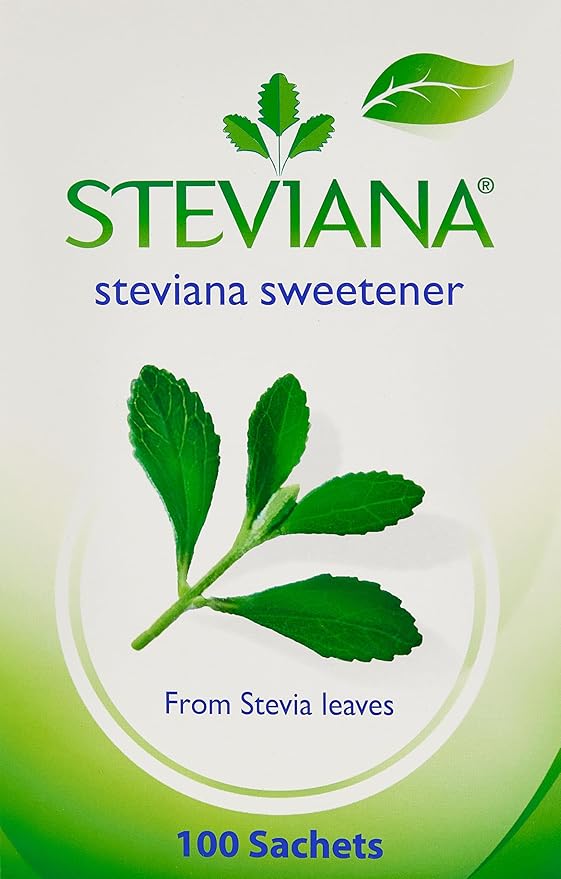
Stevia
Derived from the stevia plant, this zero-calorie sweetener has no impact on blood sugar, ideal for diabetics. A 2025 American Diabetes Association study confirms stevia’s safety and efficacy in reducing sugar intake.
Monk Fruit
Monk fruit sweetener, calorie-free and 150–200 times sweeter than sugar, contains mogrosides with antioxidant properties. NIH research highlights its role in stabilizing blood sugar and curbing cravings.
Date Paste
Made from blended dates, this sweetener is rich in fiber, potassium, and antioxidants. It’s perfect for baking or smoothies, per the USDA.


Date Crown Syrup
Un-pitted, loose, natural dates,Rich in Fibre,No added Sugar, Gluten free.
Buy Now on AmazonHealth Benefits of Tropical Fruits and Natural Sweeteners
These natural alternatives offer more than just sweetness, supporting overall health in multiple ways.
Nutritional Powerhouses
Tropical fruits like mango and papaya are loaded with vitamins A, C, and E, which boost immunity and skin health. Natural sweeteners like honey and maple syrup provide antioxidants that combat inflammation, per 2025 NIH studies.
Blood Sugar Regulation
Unlike refined sugars, tropical fruits and natural sweeteners have a lower GI, preventing blood sugar spikes. A 2025 CDC report found that replacing refined sugars with natural alternatives reduces diabetes risk by 10%.
Weight Management
Fiber in fruits like bananas and dates promotes satiety, reducing overeating. A 2025 NIH study showed that diets high in fruit fiber lower obesity risk by 15%. Track progress with our BMI Calculator.
Digestive Health
Enzymes like bromelain in pineapple and papain in papaya aid digestion, while fiber in fruits supports gut health. The Academy of Nutrition and Dietetics highlights their role in reducing bloating and improving gut microbiota.
Practical Ways to Use Tropical Fruits and Natural Sweeteners
Incorporating these alternatives into your diet is simple and delicious. Here are expert-backed strategies:
Replace Refined Sugars in Recipes
Use date paste or mashed bananas in baking to replace sugar. For example, swap sugar for maple syrup in muffin recipes at a 1:1 ratio. The USDA suggests reducing sugar by 25% when using fruit-based sweeteners to maintain flavor balance.
Create Healthy Snacks
Blend mango or pineapple into smoothies or freeze them for natural popsicles. A 2025 Academy of Nutrition and Dietetics guide recommends pairing fruits with nuts for a balanced snack that curbs cravings.
Sweeten Beverages Naturally
Add a teaspoon of honey or stevia to teas, coffee, or lemonade. Avoid artificial sweeteners, which may increase cravings, per NIH research.
Make Dessert Healthier
Use monk fruit or date paste in desserts like puddings or energy balls. These options reduce calorie intake while maintaining sweetness, per the American Diabetes Association.
Balance with Protein and Fats
Pair fruits or sweeteners with protein (e.g., yogurt) or healthy fats (e.g., coconut oil) to stabilize blood sugar. A 2025 American Psychological Association study found that balanced snacks reduce craving frequency by 20%.
Sample Recipes to Curb Cravings
Tropical Mango Smoothie
Ingredients: 1 cup mango chunks, 1 banana, 1 tbsp honey, ½ cup Greek yogurt, ½ cup almond milk.
Instructions: Blend all ingredients until smooth. Serve chilled for a nutrient-packed, craving-busting drink.
Pineapple Coconut Energy Balls
Ingredients: 1 cup dried pineapple, ½ cup shredded coconut, ¼ cup date paste, ¼ cup almonds.
Instructions: Process ingredients in a food processor, form into balls, and refrigerate for 1 hour. Enjoy as a sweet, healthy snack.
Challenges of Using Natural Sweeteners
While beneficial, natural sweeteners and fruits have some considerations:
Cost and Availability
Tropical fruits and high-quality sweeteners like pure maple syrup can be expensive. Opt for frozen fruits or bulk purchases to save costs, per USDA tips.
Calorie Content
Some sweeteners, like honey, are calorie-dense. Use in moderation to avoid weight gain, as advised by the CDC.
Taste Adjustment
Natural sweeteners like stevia have a distinct flavor. Experiment with small amounts to find your preference, per the Academy of Nutrition and Dietetics.
Allergies and Sensitivities
Some individuals may be allergic to fruits like mango or sensitive to sweeteners like honey. Consult a dietitian if concerns arise. Our Consultation page connects you with experts.
Health and Well-Being Considerations
Using tropical fruits and natural sweeteners supports a balanced approach to wellness.
Balancing Sweetness with Nutrition
Focus on whole fruits over juices to maximize fiber and nutrients. Pair sweeteners with protein or fats to avoid blood sugar spikes, per NIH recommendations.
Mental Health Benefits
Reducing refined sugar intake can stabilize mood and energy levels. A 2025 APA study found that low-sugar diets improve mood stability by 15%. See our Mental Health & Emotional Wellness guide.
Long-Term Health Goals
Incorporating natural sweeteners supports weight management and reduces chronic disease risk. Track progress with our Chronic Disease Risk Tracker.
Advancements in Nutrition for 2025
Innovations are making healthy eating more accessible:
- Sustainable Farming: Tropical fruit production is more eco-friendly, per 2025 USDA reports.
- Natural Sweetener Blends: New products combine stevia and monk fruit for better taste, per NIH.
- Nutrition Apps: Apps like MyFitnessPal track sugar intake and suggest natural alternatives.
- Tele-Nutrition Consultations: Virtual dietitian services offer personalized plans, per Teladoc.
Explore more in our mood tracking Technology blog.

Infographic: Top tropical fruits and natural sweeteners to curb cravings in 2025.
Call-to-Action
Start curbing sugar cravings with tropical fruits and natural sweeteners today! Explore our Nutrition & Healthy Eating guide, try our recipes, and subscribe for more wellness tips.
Frequently Asked Questions About Tropical Fruits and Natural Sweeteners
Are natural sweeteners healthier than sugar?
Yes, they offer nutrients and lower GI, reducing blood sugar spikes, per NIH.
Can tropical fruits help with weight loss?
Yes, their fiber content promotes satiety, reducing overeating, per CDC.
Is stevia safe for daily use?
Yes, stevia is safe and has no calories, per the American Diabetes Association.
How can I reduce sugar cravings?
Pair fruits with protein, use natural sweeteners, and maintain balanced meals, per APA.
Are there risks with natural sweeteners?
Overuse can add calories, and some may cause allergies; use in moderation, per USDA.
Key Takeaways
- Tropical fruits and natural sweeteners satisfy cravings with nutrients, unlike refined sugars.
- Fruits like mango and banana stabilize blood sugar and support digestion.
- Sweeteners like honey and stevia offer low-GI alternatives for healthier diets.
- Practical uses include smoothies, snacks, and baking to reduce sugar intake.
- 2025 innovations like nutrition apps make healthy eating more accessible.
Disclaimer
This article is for informational purposes only and does not constitute medical or nutritional advice. Consult a dietitian or healthcare provider for personalized guidance. HealthSpark Studio earns commissions from qualifying purchases through affiliate links (#ad).